
Castles
Trentino’s castles tell centuries of history, art, and traditions in the heart of the Alps. Scattered among valleys, mountains, and historic villages, they preserve frescoes, art collections, and testimonies of the past, offering visitors a fascinating journey through culture, architecture, and evocative landscapes.
Trentino Guest Card
The Trentino Guest Card is a tourist pass that allows you to travel on public transport and enjoy free or discounted admission to numerous museums, castles, natural parks, and attractions throughout Trentino during your holiday.

Castello del Buonconsiglio
Visiting Buonconsiglio Castle means immersing yourself in centuries of history and art. A must-see attraction is the Eagle Tower (Torre dell’Aquila), which houses the famous Cycle of the Months, an absolute masterpiece of International Gothic art. It is a must for anyone wishing to understand the historical and artistic roots of Trentino.
Castel Beseno
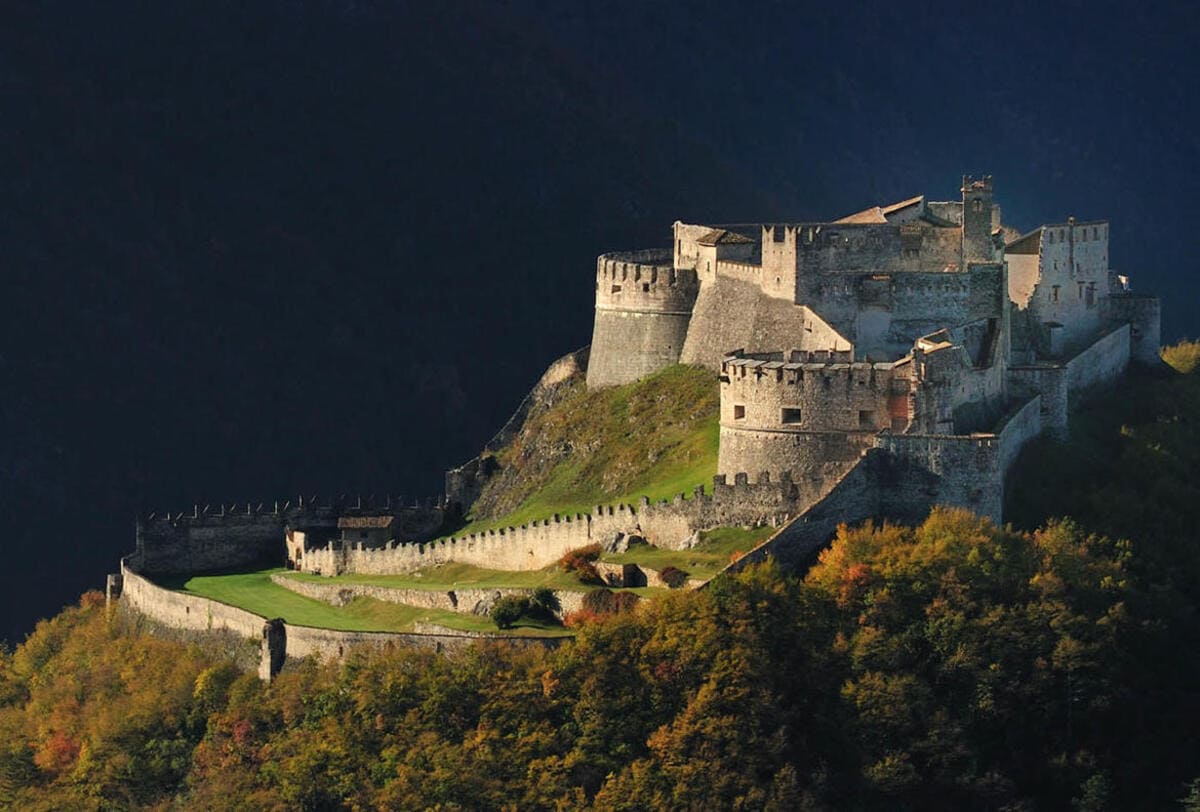
Castel Beseno is an impressive military fortress, inextricably linked to military strategies and the powerful Trapp family. Its structure is divided into three large sectors surrounded by a triple ring of walls. Today, the vast interior spaces and the ramparts bring the defensive atmosphere of the era to life, frequently hosting historical reenactments.
Castello di Rovereto
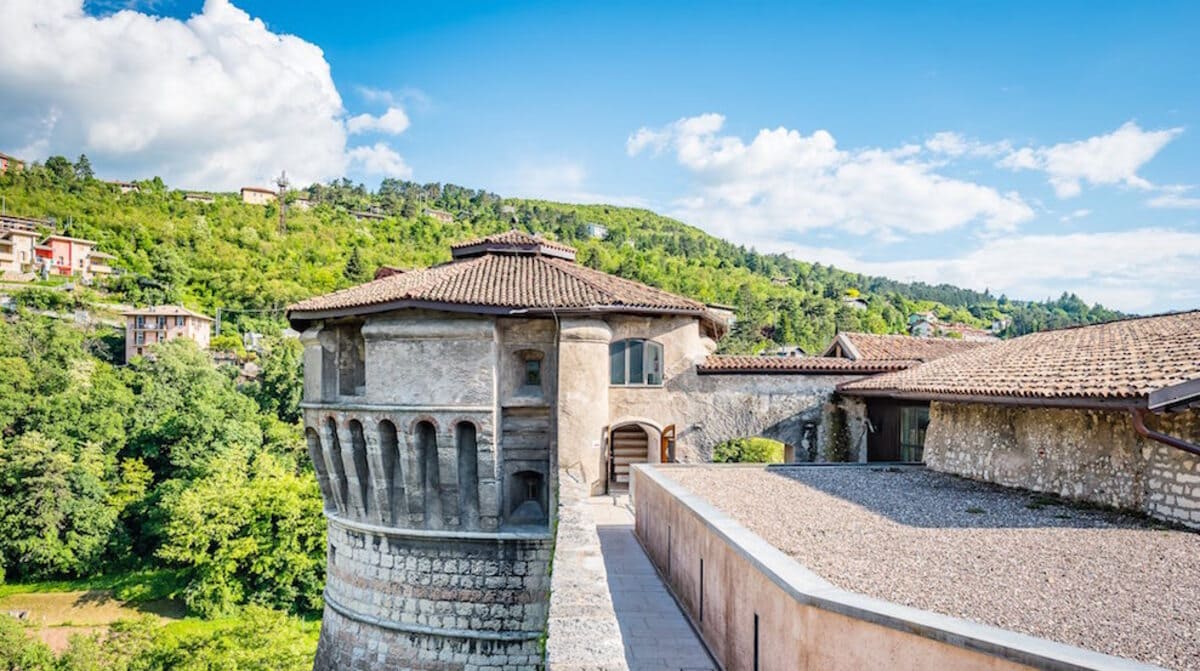
Rovereto Castle is the seat of the prestigious Italian Historical War Museum, making it a fundamental place of memory and reflection. Its rooms and bastions house collections of weapons, uniforms, and artifacts from the First World War, a conflict that deeply marked the alpine territory.
Castello di Avio
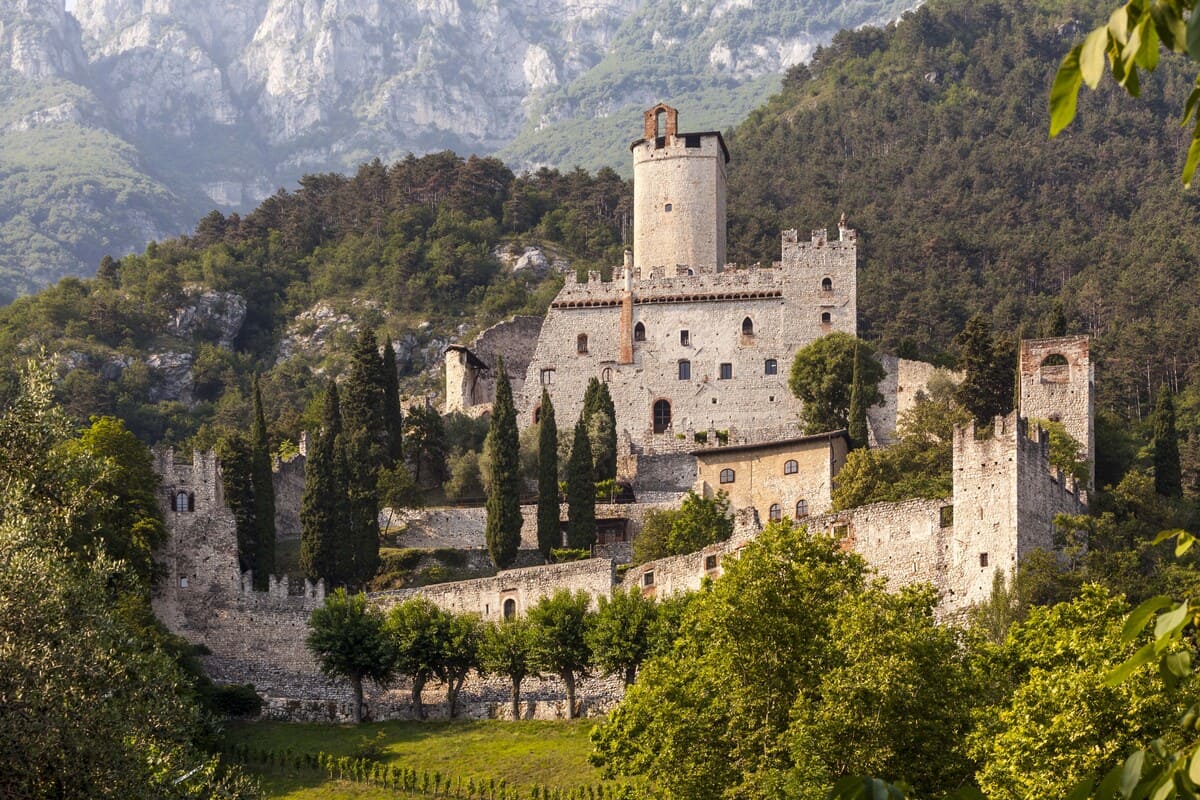
Avio Castle is the first stronghold to welcome travelers entering Trentino from the south, thanks to its spectacular position on a hill overlooking the Vallagarina. Inside, you can explore the austere “House of the Guards” (Casa delle Guardie), adorned with striking war-themed frescoes, and the famous Chamber of Love (Camera d’Amore), where the themes of Courtly Love are magnificently celebrated.
Castello di Arco
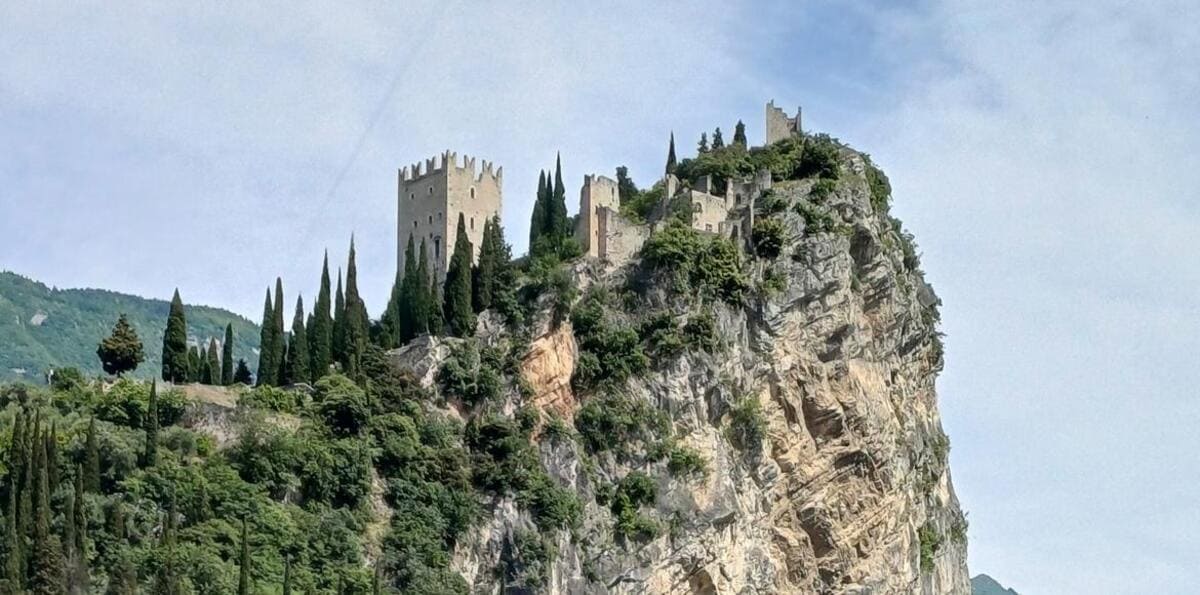
Access to Arco Castle requires a pleasant uphill walk of about twenty minutes through the historic olive groves of Arco. The effort is rewarded by the sweeping panoramic view over the Upper Garda area. A historical fun fact: the stronghold was immortalized in a famous watercolor painted in 1495 by the German artist Albrecht Dürer.
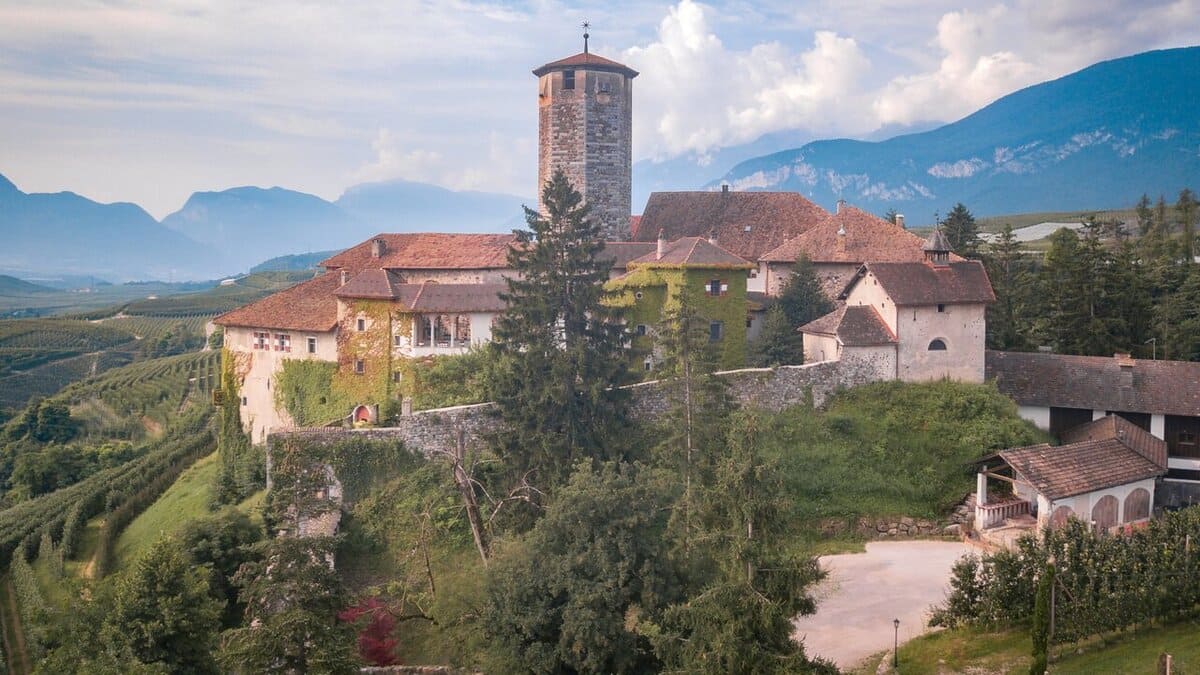
Castel Valer
Built starting from the 12th century on the hills of the Val di Non, Castel Valer is considered one of the best-preserved castles in the entire alpine region. Its rooms narrate centuries of history of the Spaur family. A must-see is the St. Valerius Chapel (Cappella di San Valerio), whose interiors are adorned with magnificent frescoes painted by the famous Baschenis brothers. A guided tour is the only way to fully appreciate the richness of the collections and the exclusive atmosphere of this private stronghold.
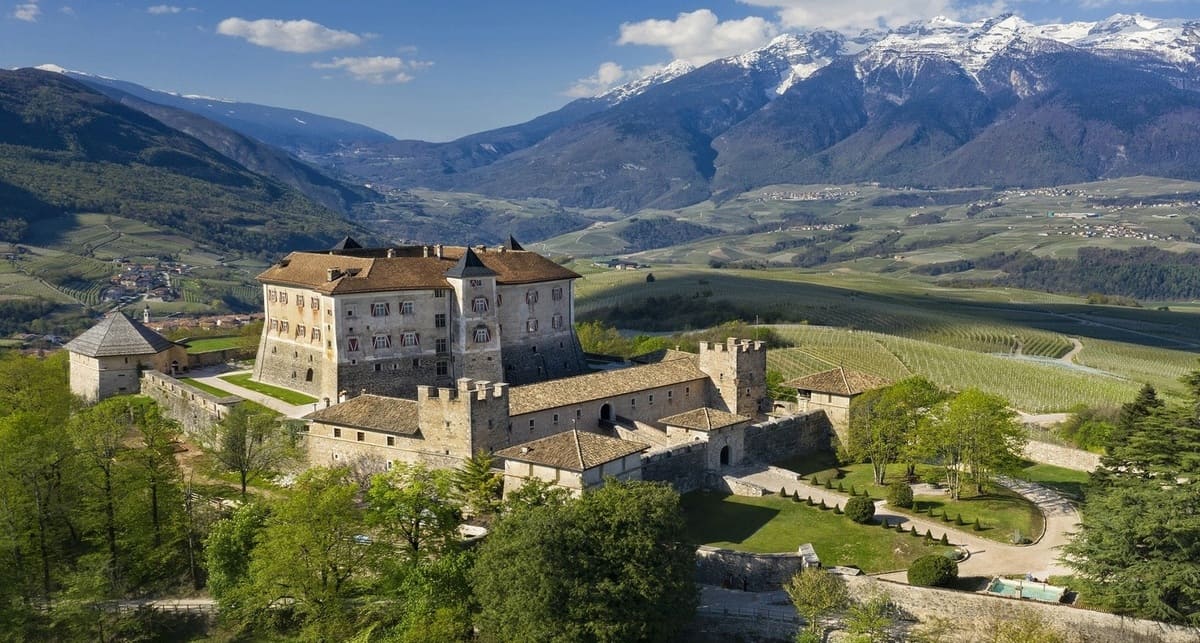
Castel Thun
Castel Thun is a true journey back in time, thanks to its perfectly preserved original furnishings and majolica stoves. The complex is characterized by the Entrance Gate with a drawbridge and the massive Rectory Tower (Torre della Canonica). The focal point of the visit is the Bishop’s Room (Stanza del Vescovo), entirely paneled in stone pine wood and magnificently preserved.
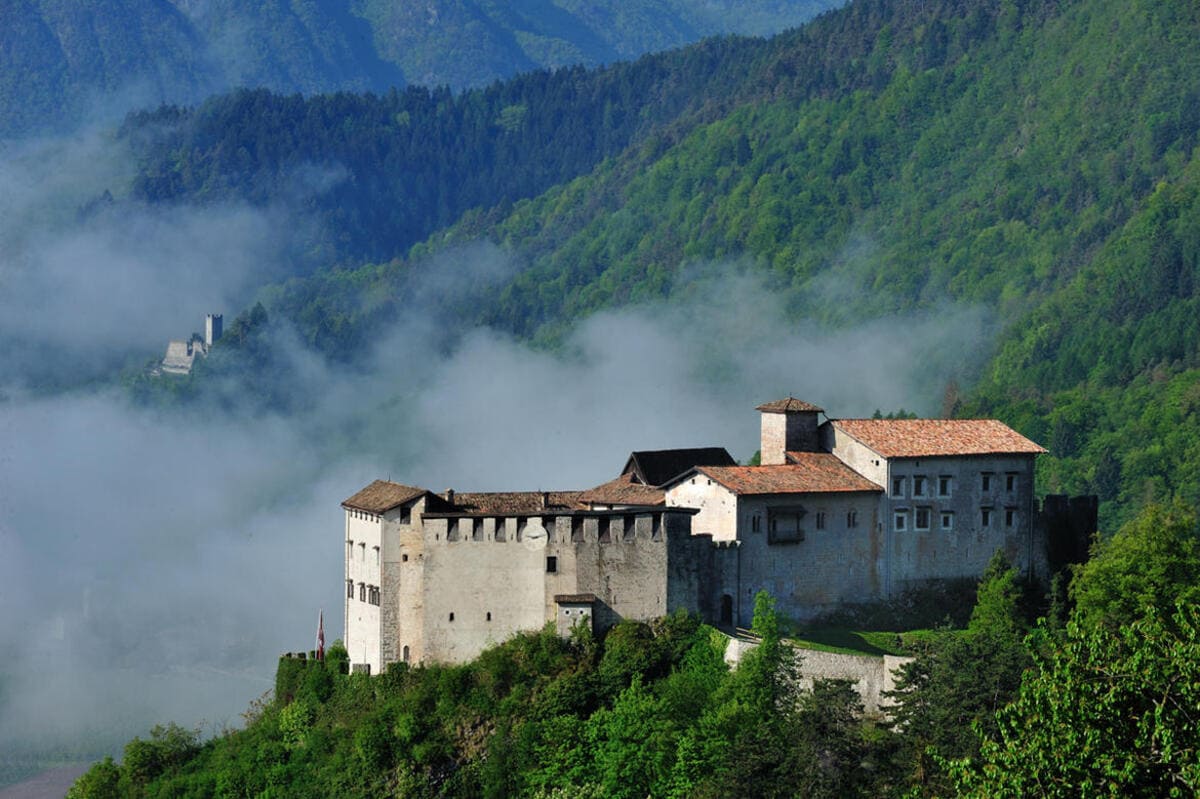
Castel Stenico
Strategically located halfway between Lake Garda and the majestic Brenta Dolomites, Castel Stenico was an important stronghold of the prince-bishops. Today, the castle’s rooms are beautifully preserved and richly furnished. You can admire a vast collection of wrought iron artifacts as well as painted and carved woodcraft, including elegant wedding chests, copper utensils, and the typical majolica tiled stoves.
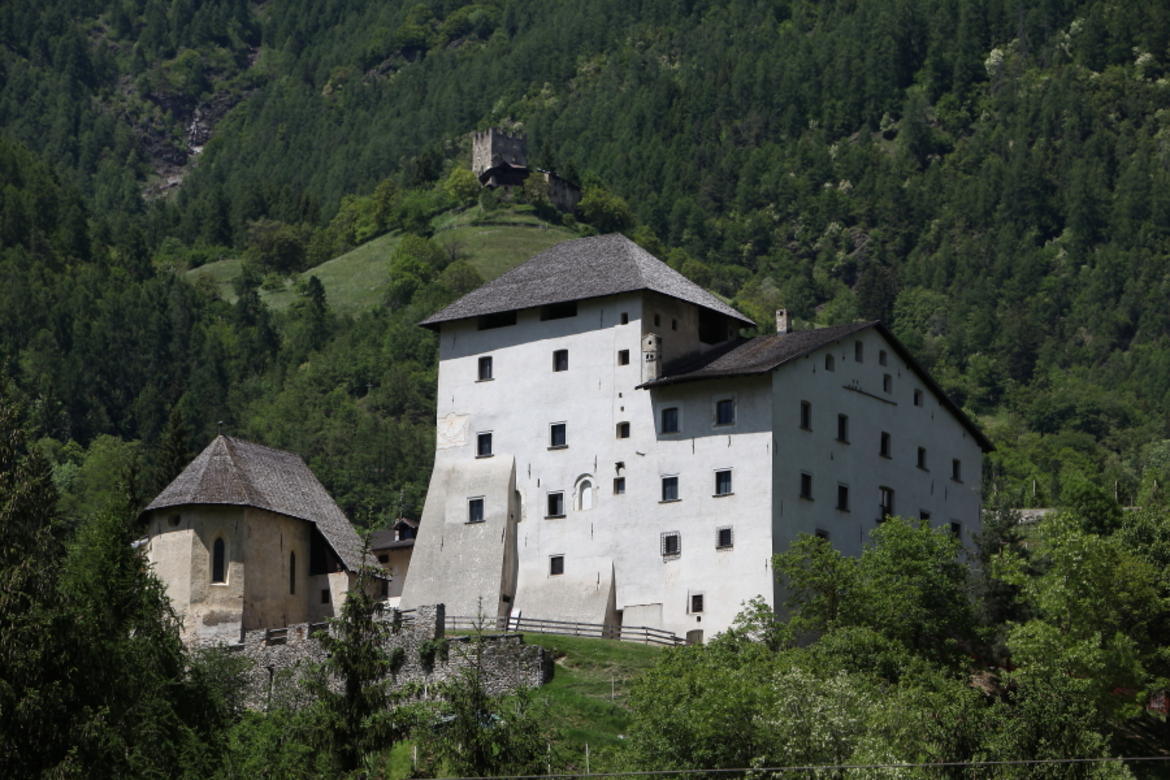
Castello di Caldes
This fascinating castle is located in the Val di Sole, right at the entrance to the village of Caldes. Castel Caldes is an architectural example that blends different styles, but it is its tragic love story that makes it famous—that of the young Countess Olinda, who was imprisoned here by her father for falling in love with a minstrel. Story has it that the unfortunate girl decorated her cell with romantic frescoes, which can still be seen today in “Olinda’s Room” (Stanza di Olinda).

Trento
A town rich in art and history.

Museums
The museums of Trentino bring together culture, science, and history in cutting-edge exhibition spaces.
Lakes
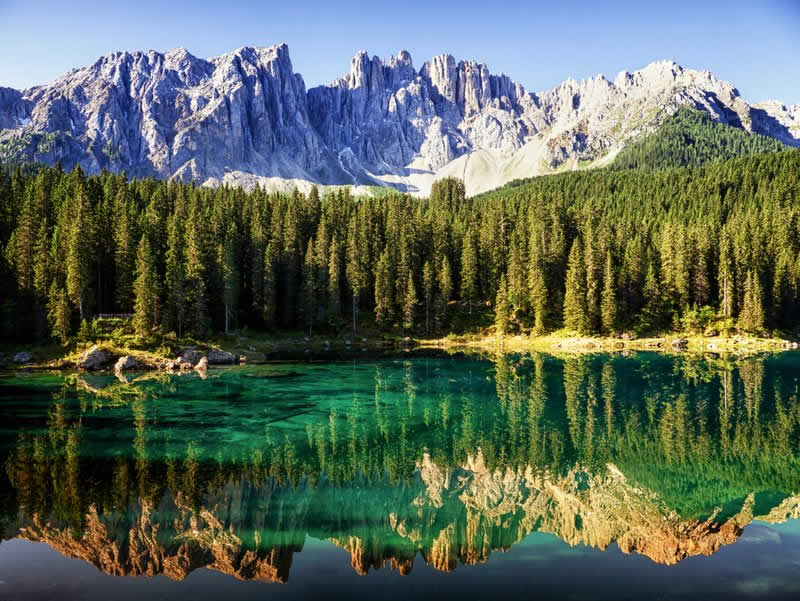
Discover the lakes of Trentino, nestled among nature and mountains.

Alto Garda Trentino
Upper Garda Trentino offers a unique atmosphere and breathtaking landscapes.

Wineries
Discover all the renowned wineries in the area and take part in wine tastings.